Group therapy for addiction and mental health at Kolmac The backbone of outpatient behavioral health care
The answer is connection. Group therapy is at the heart of outpatient care at Kolmac Integrated Behavioral Health because there’s real power in realizing you aren’t facing this by yourself. When you hear how others are navigating the same patterns, setbacks and breakthroughs, you gain perspective and a sense of shared accountability.
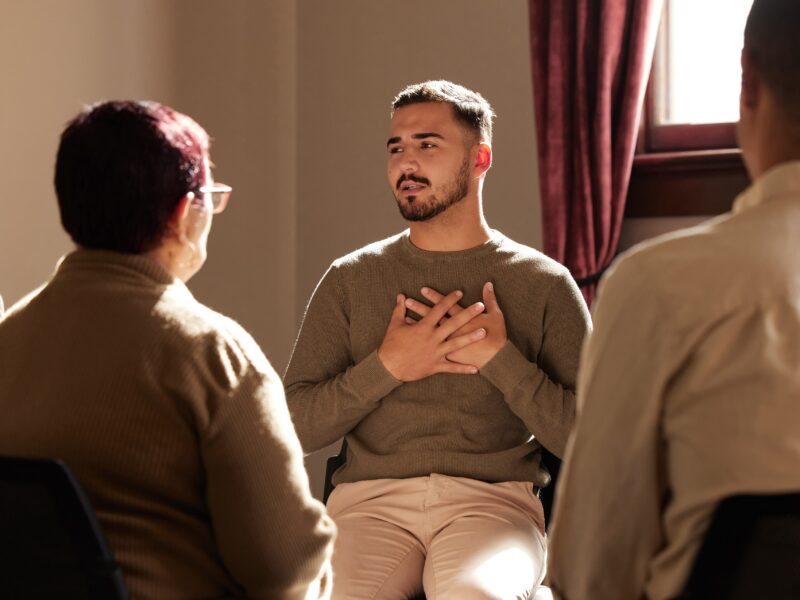
Why group therapy works
We’re wired for connection. When people isolate and refuse to let others see what they’re carrying, unhealthy coping tends to fill the gap. Group therapy interrupts that cycle. It keeps you connected to people who understand what you’re going through, which is one of the strongest predictors of lasting progress.
This approach is well established: guidance from SAMHSA finds that for substance use, group therapy is often as effective as individual therapy, in part because it reduces isolation and lets people witness others making progress. Extensive clinical experience also supports this, with positive outcomes appearing in ways like:
- Peer support and structure that sustain progress once the most intensive phase of treatment ends
- Actual connection that eases the isolation common to substance use and mental health conditions
- Encouragement that comes from seeing others further along in their treatment
- Room to learn and practice healthy coping strategies in real time
- A clearer understanding of the biological, social and psychological factors behind what you’re experiencing
What is group therapy?
Group therapy is a structured session where a small number of people meet with one or two trained clinicians to work on similar challenges together. This is not a support group, nor is it an open-ended discussion.
Each session adheres to a clinical plan, employs established methods and is overseen by a facilitator who ensures it stays focused and safe for the participants. The combination of learning from clinicians and from those with comparable situations is a key reason for its success.
Group therapy for substance use and mental health
Group work is essential to treatment for both substance use disorders and mental health conditions. Groups are organized so members are working through similar challenges, whether that’s early treatment for substance use, anxiety and depression, relapse prevention, trauma or dual diagnosis when both are present.
Evidence-based approaches, like cognitive behavioral therapy (CBT) and dialectical behavior therapy (DBT), ground the clinical work. CBT helps you recognize and shift the thinking patterns that drive how you feel and act, while DBT builds skills for managing intense emotions.
Relapse prevention groups provide an additional layer, equipping individuals with the skills to foresee and manage high-risk scenarios. Leading behavioral health authorities, like the National Institute on Drug Abuse, acknowledge that group counseling is a proven and effective component of substance use disorder treatment.
What to expect in a Kolmac group
Groups are built into our intensive outpatient and partial hospitalization programs, and they continue through continuing care as you step down. In the intensive outpatient program (IOP), that means 3 to 4 sessions per week, typically totaling 9 to 12 hours of structured treatment.
Our sessions are small, usually 10 to 12 people, so there’s room to participate without feeling lost in a crowd. As trust grows, the work becomes more comfortable, and you decide what to share at every point.
Led by licensed clinicians
Every Kolmac group is led by licensed or certified clinicians trained in group process and behavioral health. Effective facilitation requires real expertise in managing group dynamics, keeping sessions purposeful and tailoring the work to where the group is in treatment.
Experts increasingly recognize that skill as its own discipline. The American Psychological Association formally designated group psychotherapy a specialty in 2018, and the research base finds group work performs comparably to individual therapy across many conditions. With over 50 groups across our locations, in-person and virtual, you can find a schedule that fits your life.
Frequently asked questions
How is group therapy different from individual therapy?
One-on-one time with a clinician, dedicated solely to your needs, is what individual therapy offers. What sets group therapy apart from individual sessions is the unique perspective and support received from individuals dealing with similar struggles as you.
Most Kolmac patients engage in both forms, leading to their mutual reinforcement.
How big are Kolmac’s groups?
Our groups are deliberately kept small, typically between 10 and 12 individuals. Large enough for diverse viewpoints, yet small enough for everyone to participate.
Do I have to share personal details right away?
No, you set the pace for what you share, and most people find the work gets easier as trust builds. Our clinicians lead each session, so you won’t feel pushed to disclose prematurely.
Is group therapy available virtually?
Yes. Whether in person or online, Kolmac groups provide options that accommodate your schedule and personal preferences.
What programs include group therapy?
We provide continuous group work throughout our intensive outpatient and partial hospitalization programs for both substance use and mental health programs. This support extends into continuing care as you transition, maintaining its presence at every treatment level.